

Starting a family does not always happen as easily or as quickly as expected. For some women, pregnancy may take longer because of problems related to ovulation, fallopian tubes, the uterus, hormones, egg quality, or other reproductive factors. The first step is not to assume the worst. It is to understand what may be affecting fertility and find the right medical guidance.
If you are looking for female infertility treatment in Varanasi, a detailed fertility evaluation can help identify possible causes and guide the next steps. Some conditions can be treated with medicines or minor procedures, while others may require fertility treatments such as IUI, IVF, or ICSI.
At New Life Hospital, women and couples can receive fertility evaluation and guidance based on their individual medical history and reproductive needs.
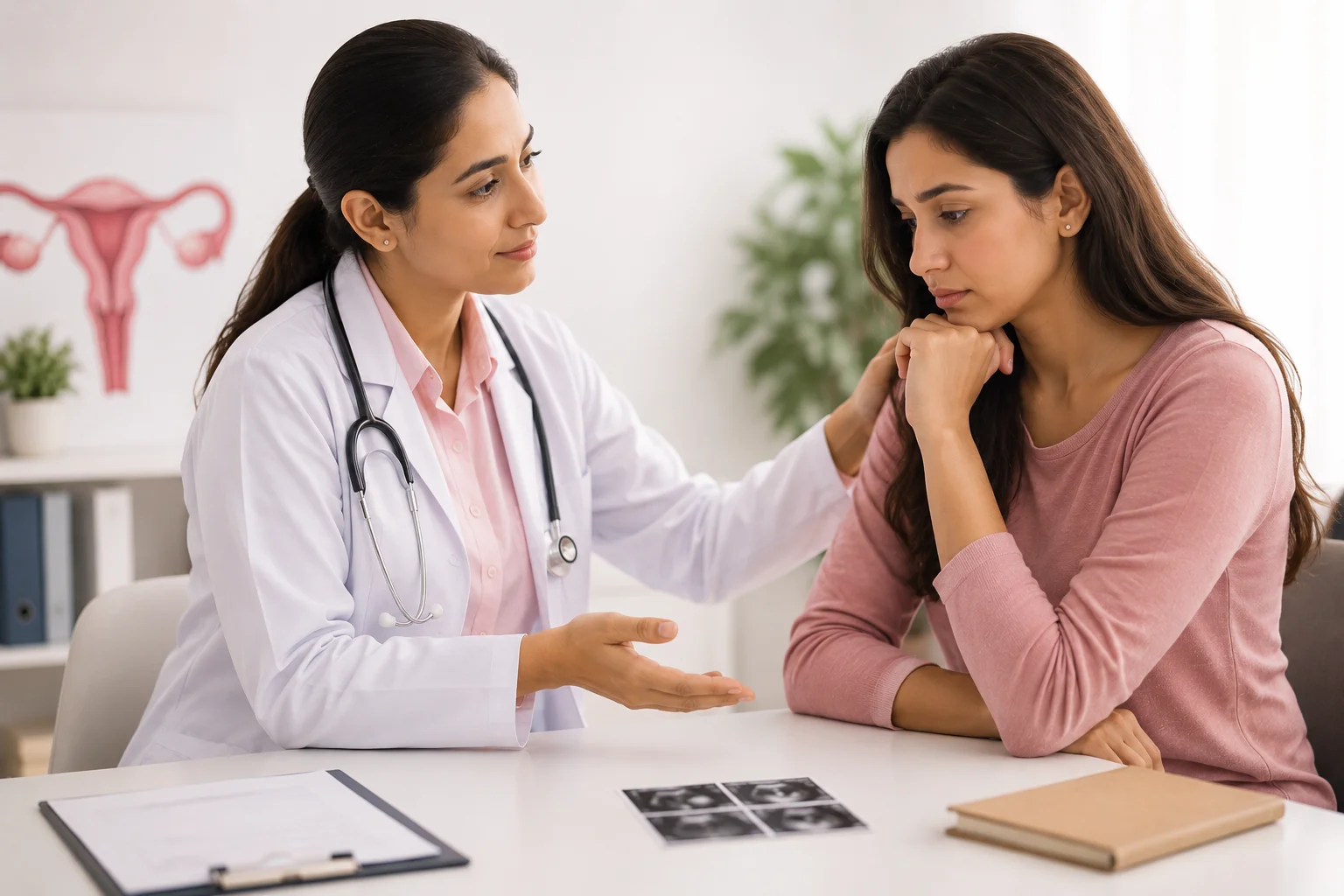

Understanding Female Infertility
Female infertility refers to difficulty in achieving pregnancy because one or more factors are affecting the normal reproductive process. Pregnancy depends on several steps working together. An egg needs to develop and be released, sperm needs to reach the egg, fertilisation needs to occur and the embryo needs to implant inside a healthy uterus.
A problem at any stage can affect the chances of conception.
Female infertility is not always caused by one major health condition. Sometimes, a combination of age, hormonal changes, ovulation problems or reproductive conditions may affect fertility. In some cases, the exact cause may not be immediately clear, which is why proper testing is helpful. The right female infertility treatment in Varanasi depends on the cause, age, medical history and fertility health of both partners.
Common causes may include:
- Irregular or absent ovulation.
- Polycystic ovary syndrome, commonly known as PCOS.
- Blocked or damaged fallopian tubes.
- Endometriosis.
- Uterine fibroids or polyps.
- Hormonal imbalance.
- Reduced ovarian reserve.
- Age-related decline in egg quantity and quality.
- Previous pelvic infections or surgeries.
How Is Female Infertility Diagnosed?
A proper diagnosis usually begins with a detailed discussion about menstrual cycles, previous pregnancies, medical history and lifestyle factors. The doctor may then recommend specific tests depending on the individual’s situation.
- Ovulation Assessment
Regular ovulation is essential for natural conception. Blood tests, ultrasound monitoring and menstrual history may help doctors understand whether ovulation is occurring normally. - Hormone Testing
Hormones play an important role in egg development, ovulation and reproductive health. Blood tests may be recommended to assess hormone levels and identify possible hormonal conditions. - Ultrasound Examination
Pelvic ultrasound can help evaluate the uterus and ovaries. It may identify conditions such as ovarian cysts, fibroids or other structural concerns. - Fallopian Tube Evaluation
The fallopian tubes are important because they provide the pathway through which the egg and sperm may meet. If the tubes are blocked or significantly damaged, natural conception can become difficult. Tests may be recommended to assess whether the tubes are open and functioning as expected. - Ovarian Reserve Testing
Ovarian reserve tests provide information that can help doctors estimate egg supply and support fertility planning. These results are interpreted along with age, medical history and other fertility findings.
Treatment Depends on What Is Affecting Fertility
There is no single treatment that works for every woman. Fertility treatment should be based on a proper diagnosis rather than a fixed package. Some women may only need treatment for an ovulation problem, while others may require surgery or assisted reproductive techniques.
- Ovulation Induction
For women who do not ovulate regularly, medicines may be prescribed to support or stimulate ovulation. Treatment is usually monitored according to the individual’s condition. Ovulation induction may be considered for women with certain hormonal conditions or irregular ovulation. However, medicines should only be taken under medical supervision. - Treatment for Hormonal Conditions
Hormonal problems can sometimes interfere with regular ovulation and reproductive function. Depending on the diagnosis, doctors may recommend medication or other medical management. For example, women with conditions such as PCOS may require a personalised approach based on their symptoms, hormone levels, body weight and fertility goals. - Treatment for Blocked Fallopian Tubes
Treatment for blocked tubes depends on the location and severity of the blockage. In selected cases, surgical procedures may be considered. When the fallopian tubes are severely damaged or cannot function properly, assisted reproductive treatment such as IVF may be discussed. - Treatment for Endometriosis
Endometriosis can affect fertility in different ways. The treatment approach may depend on the severity of symptoms, the extent of the condition, age and future pregnancy plans. Some women may benefit from medical management or surgery, while others may require fertility treatment to improve their chances of pregnancy. - Treatment for Uterine Problems
Conditions such as certain fibroids, polyps or abnormalities inside the uterus may affect implantation or pregnancy. In some cases, a procedure may be recommended before fertility treatment.
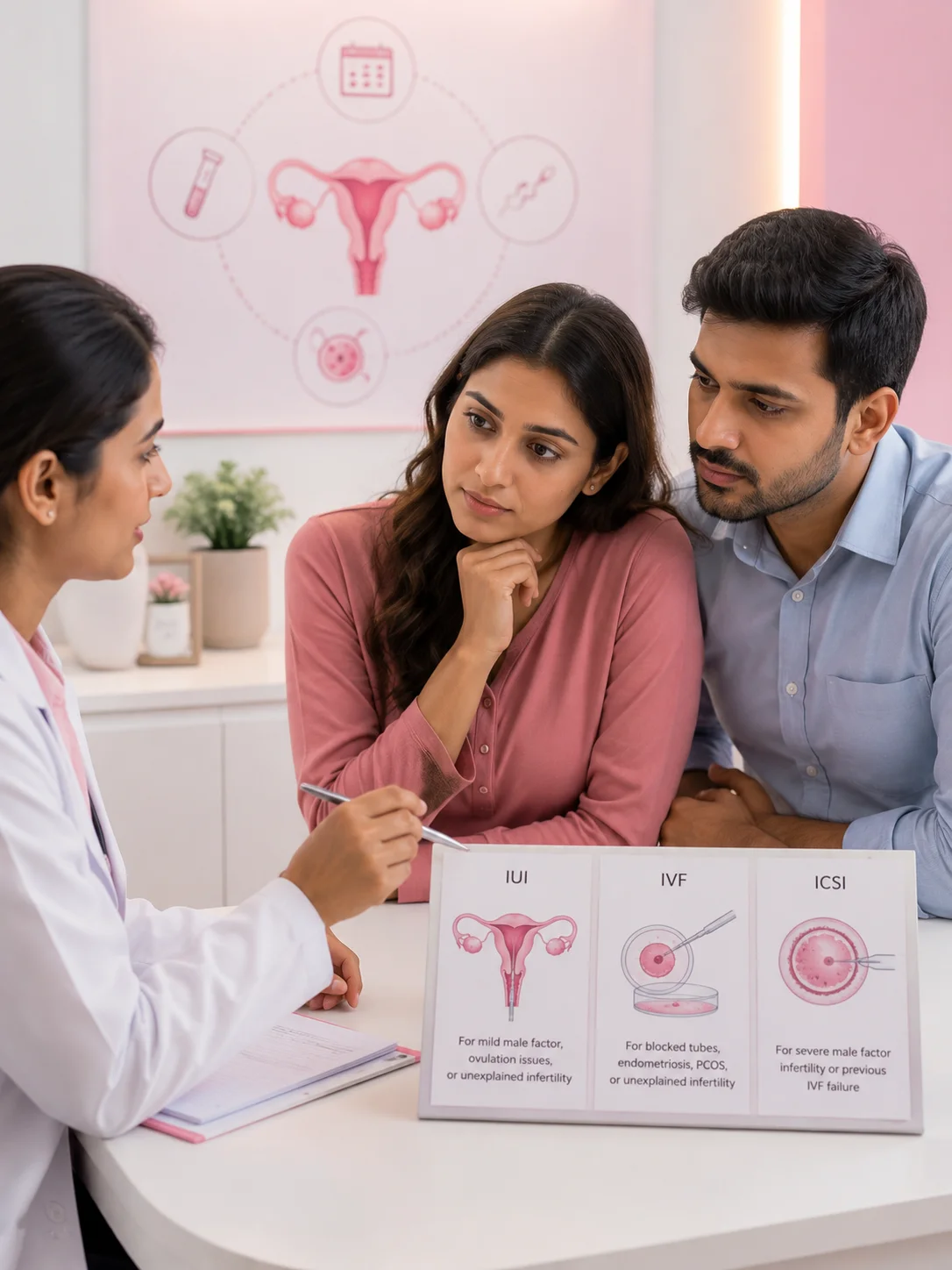

When Are IUI, IVF or ICSI Recommended?
Assisted reproductive treatments may be considered when simpler treatment options are unlikely to be successful or have not worked.
- IUI Treatment
Intrauterine insemination, or IUI, involves placing specially prepared sperm inside the uterus around the time of ovulation. It may be suitable for selected couples depending on the fertility assessment. - IVF Treatment
In vitro fertilisation, known as IVF, involves fertilising eggs with sperm in a laboratory. The resulting embryo may then be transferred into the uterus. IVF may be considered for conditions such as severe fallopian tube damage, certain unexplained fertility cases or when other treatments have not resulted in pregnancy. - ICSI Treatment
ICSI is a specialised procedure used during IVF in which a single sperm is injected directly into an egg. It is generally considered when male-factor infertility or specific fertilisation concerns are present. The choice between IUI, IVF and ICSI should always be based on medical findings. A trusted female infertility treatment center in Varanasi should explain why a particular treatment may be suitable for you instead of recommending the same option to every patient.
The Role of Age in Female Fertility
Age can influence female fertility because both the number and quality of eggs generally decline over time. However, fertility is individual and age alone does not tell the complete story.
A fertility specialist may consider age along with menstrual history, ovarian reserve, reproductive health and the fertility status of the male partner.
For women who are planning pregnancy later or who have concerns about their reproductive health, an early fertility consultation may provide useful information and help with future planning.
How to Choose the Right Fertility Hospital
Choosing a fertility hospital can be an emotional decision. Treatment may involve several appointments, tests and important decisions, so clear communication and trust are essential.
When searching for a female infertility treatment hospital in Varanasi, consider whether the medical team provides a complete evaluation and explains the treatment options in a way you can understand. A good fertility hospital like New Life Hospital should give you clarity, not pressure you into making a quick decision.
Lifestyle and Female Fertility
Lifestyle does not cause every fertility problem, but certain habits can influence overall reproductive health. Doctors may recommend practical changes as part of a personalised fertility plan.
This may include maintaining a healthy weight, following a balanced diet, staying physically active, getting adequate sleep and avoiding smoking or recreational drugs.
Managing long-term medical conditions and following prescribed treatment can also support overall health while planning pregnancy.
It is best to avoid relying only on supplements, home remedies or online advice without understanding the actual cause of infertility.
Frequently Asked Questions About Female Infertility
Can female infertility be treated?
Many causes of female infertility can be treated or managed. The right treatment depends on the underlying condition. Some women may benefit from medication, while others may require surgery, IUI, IVF or other fertility treatments.
What are the first tests for female infertility?
The first evaluation may include a review of menstrual and medical history, hormone testing, ultrasound and ovulation assessment. Additional tests may be recommended to evaluate the uterus, fallopian tubes or ovarian reserve.
Is IVF necessary for every woman with infertility?
No. IVF is not the first or only treatment for female infertility. Depending on the diagnosis, treatment may include medication, ovulation induction, surgery or IUI.
Can irregular periods affect fertility?
Yes, irregular or absent periods can sometimes indicate irregular ovulation or a hormonal condition that may affect fertility. A medical evaluation can help identify the possible cause.
How do I choose a fertility clinic?
When choosing a female infertility treatment clinic in Varanasi, look for proper diagnostic facilities, experienced fertility professionals, transparent communication and treatment recommendations based on your specific medical condition.
Take the Next Step with the Right Information
Trying to conceive without success can be frustrating, but fertility problems do not always mean that pregnancy is impossible. The right diagnosis can help identify the factors affecting conception and guide you towards suitable treatment.
we provide personalised fertility evaluation and guidance based on each woman’s individual needs. Whether you are exploring female infertility treatment for the first time or have already received a diagnosis, our team can help you understand the possible next steps.
If you are looking for the best hospital for female infertility treatment in Varanasi, New Life Hospital offers a patient-focused approach with proper evaluation and personalised treatment planning. Taking the first step towards understanding your fertility can bring you closer to finding the path that is right for you.
Book your consultation at New Life Hospital today.